
Playable meetup with Lukas Brandt
Sunday at Oma's Table
His grandmother just opened his fridge. There is nothing of yours in it.
Sunday in November, 1:15 PM · Lukas's apartment, Yorkville, Upper East Side
Meet Lukas BrandtA marriage of convenience is a romance trope where two people marry, or agree to act married, for a practical reason: money, a visa, an inheritance, a job, or family pressure. The couple sets terms first. The story is about the feelings that arrive later, which the terms never covered.
 AI characterStoryAI characterStory
 AI character
 AI character
 AI character
 AI character
 AI character
 AI character
5 more guys like these are in Yome. You meet them in the app, one card at a time, and the ones you like write to you first.
Meet the restHis grandmother just opened his fridge. There is nothing of yours in it.
Sunday in November, 1:15 PM · Lukas's apartment, Yorkville, Upper East Side
Meet Lukas BrandtThe whole firm wants to meet his fiancée — and at 4:40 a.m. Munich time, his deal starts to die.
Friday in early December, 8:40 PM · A Midtown hotel ballroom, then his firm's 41st-floor conference room
Meet Lukas BrandtYour brother's debt just went up in flames. You're free to go. He'd rather you didn't.
The last night of the three months, 11:50 PM, January, first snow · His rooftop and top-floor apartment, Ditmars, Astoria, Queens
Meet Nikos VarelasClause 7 was his idea, and he would like that on the record. Lukas Brandt, 36, drafted every line of your two-page agreement himself: three weeks as his fiancée, to save your apartment, and no touching beyond what is credible.
Sunday lunch in his Yorkville apartment, with his whole family cooking. His grandmother opens his fridge and finds sparkling water and a tube of mustard. There is nothing of yours in it, and she has noticed.
His firm's year-end gala in a Midtown hotel ballroom. You wear his grandmother's sixty-year-old ring and know six names from his seating chart. Then, at 4:40 a.m. Munich time, his deal starts to die.
The couple writes the rules on day one: separate rooms, no touching, a fixed end date. Every rule is a promise to stay distant, and readers enjoy watching each one bend. The tension is built into the paperwork, and every small exception reads like a confession.
A convenient marriage puts two strangers in the same kitchen, at the same family dinners, under the same last name. They learn each other's habits before they admit any feelings. That everyday closeness is what makes the slow turn toward love feel believable.
At the end, the reason for the deal is gone. The debt is paid, the visa came through, the partner vote is over. What is left is a choice. Readers love that moment because nothing forces the couple to stay except the fact that they want to.
The three get mixed up. In an arranged marriage, families choose the match. In a forced marriage romance, one side has little say, often because of a debt or a threat, which pushes the story toward dark romance. In a marriage of convenience, the couple agrees for their own practical reasons and writes the terms together.
Fake engagements and contract relationships sit right next door. Nobody signs at city hall, but the structure is the same: an agreement, an audience to convince, and an end date. Yome leans on that version, because it plays well in short meetups with a family watching.
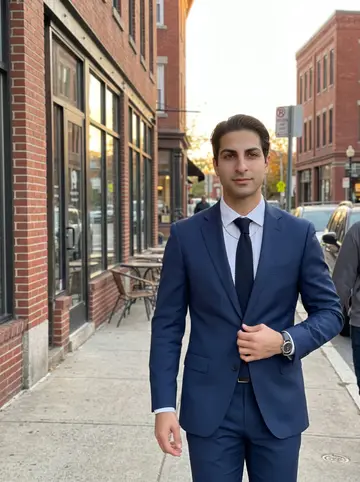
Lukas is a Story lead in Yome, an interactive romance story game where every guy is an AI character. He is 36, Munich-born, an M&A attorney in Midtown with a partner vote at year-end. He runs the reservoir at 6 a.m., buys two Brezeln on Sundays, and eats both alone. He doesn't improvise. He drafts.
You sign his agreement to save your apartment. His meetups test it in public. Sunday at Oma's Table brings his family into his kitchen. The Gala Goes Sideways puts you in his grandmother's ring at the firm's year-end gala, the second public appearance in your agreement.
Nikos Varelas's story is the darker cousin of the trope. Your brother owes the Varelas family $48,000, and the deal is three months as Nikos's personal assistant. There is no wedding. There is an arrangement, a fixed end date, and a family in Astoria who assume you are his.
That is where forced marriage readers tend to land. The pressure comes from outside, and the question is whether what grows inside the deal is real. His final meetup, Paid in Full, burns the IOU on his rooftop and leaves the next move to you.
Many of Yome's 500 leads open with a practical problem. Savvas, 34, imports wine in Larnaca, and his father has arranged a Sunday lunch with a woman he wants him to marry. He would rather bring someone he chose. Ugo, a private banker from Federal Hill in Providence, is seeking a fiancée for ninety minutes, paid in pasta.
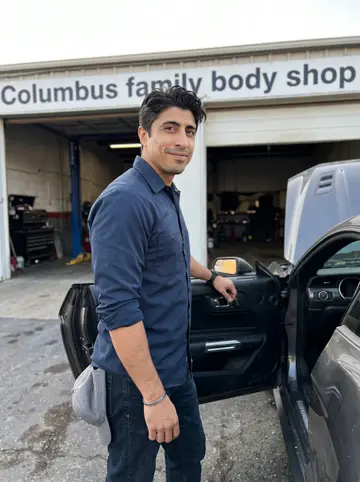
Dustin, 36, is an anesthesiologist in Philadelphia facing a hospital gala where the committee likes a settled partner. Ravi fixes dented cars at a family body shop in Columbus, and his boss wants to see him settled before selling him the shop. Nikos, 24, a freediving instructor, has a grandmother who tells him every Sunday that he needs a wife.
Yes. Yome is an interactive romance story game where you text AI characters. Lukas Brandt offers a written three-week engagement agreement, Nikos Varelas holds your brother's debt for three months, and many other guys need a partner for one family event.
Consent and control. In a marriage of convenience, both people agree for practical reasons and set the terms together. In a forced marriage romance, one person is pushed into it by family, debt or threat. Forced marriage stories usually sit closer to dark romance.
Marriage of convenience is a staple of historical and contemporary romance, from Regency matches to billionaire contracts. Yome does not adapt any book. It gives you its own AI leads with the same setup, a deal with terms, so you can play the story instead of reading it.
No. Yome does not stage a wedding with you. Its stories use agreements, fake engagements and family deals with an end date. What happens when the deal ends is up to you, and each meetup's chemistry score shapes its ending.
He keeps a memory of what you tell him in chat, and you can see what he remembers about you. Story leads also carry their written backstory, so Lukas Brandt knows exactly what Clause 7 says, and he will remind you.
No. Every guy in Yome is an AI character in a work of fiction, with a written job, city, age and personality. The agreements, debts and families are part of the story, and you can talk to one guy or several.
Yome is free to start, with free daily messages that refill. Sparks, the in-game currency, unlock extras like some photos or waking him early. You need a free account with an email, and Yome plays in the browser on phone or computer.
Pick a character, say hello, and play the romance one text at a time.
Start a story